Author: Tamia

  • Creating Characters Through Sketching
    Creating Characters Through Sketching

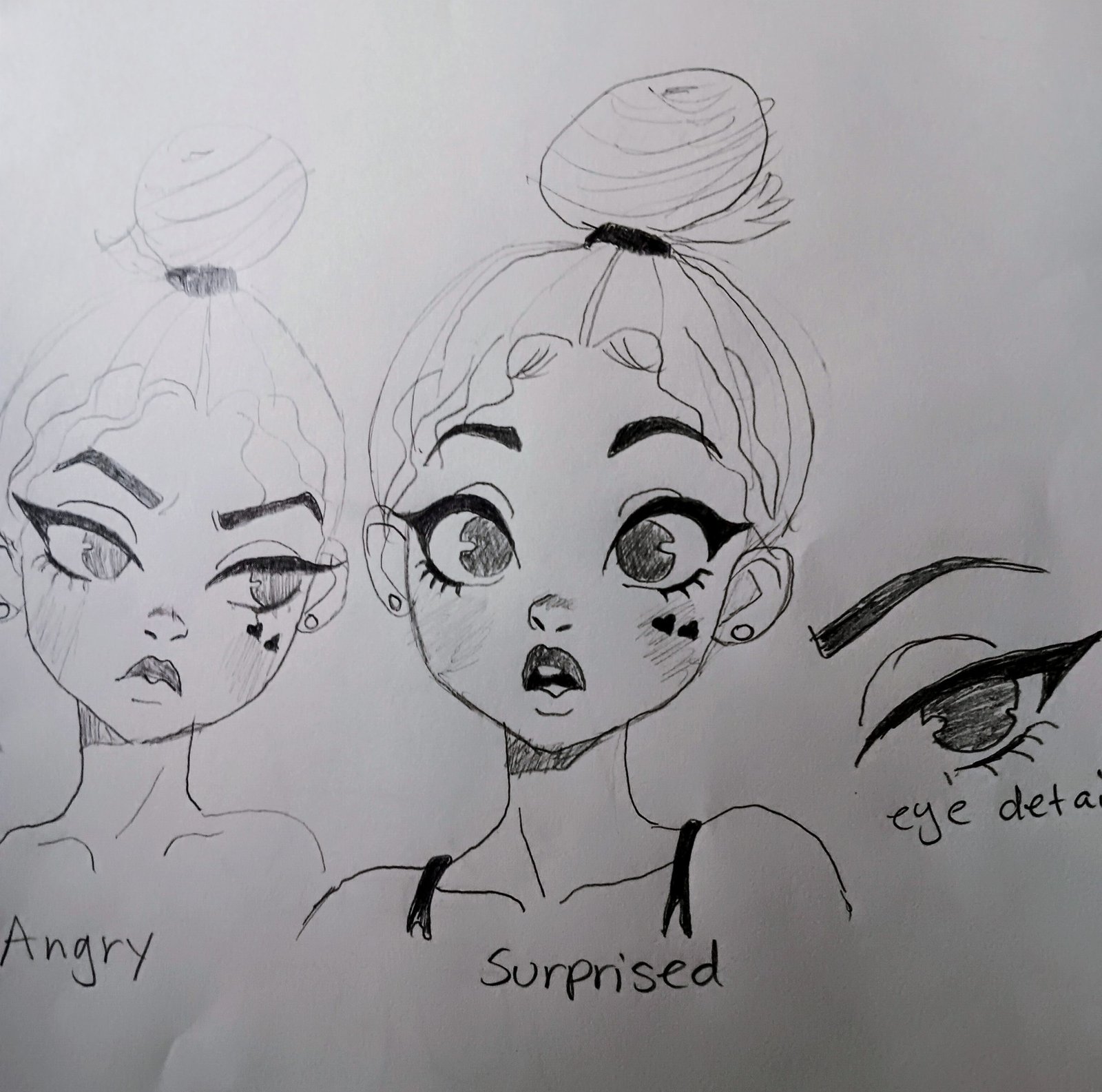
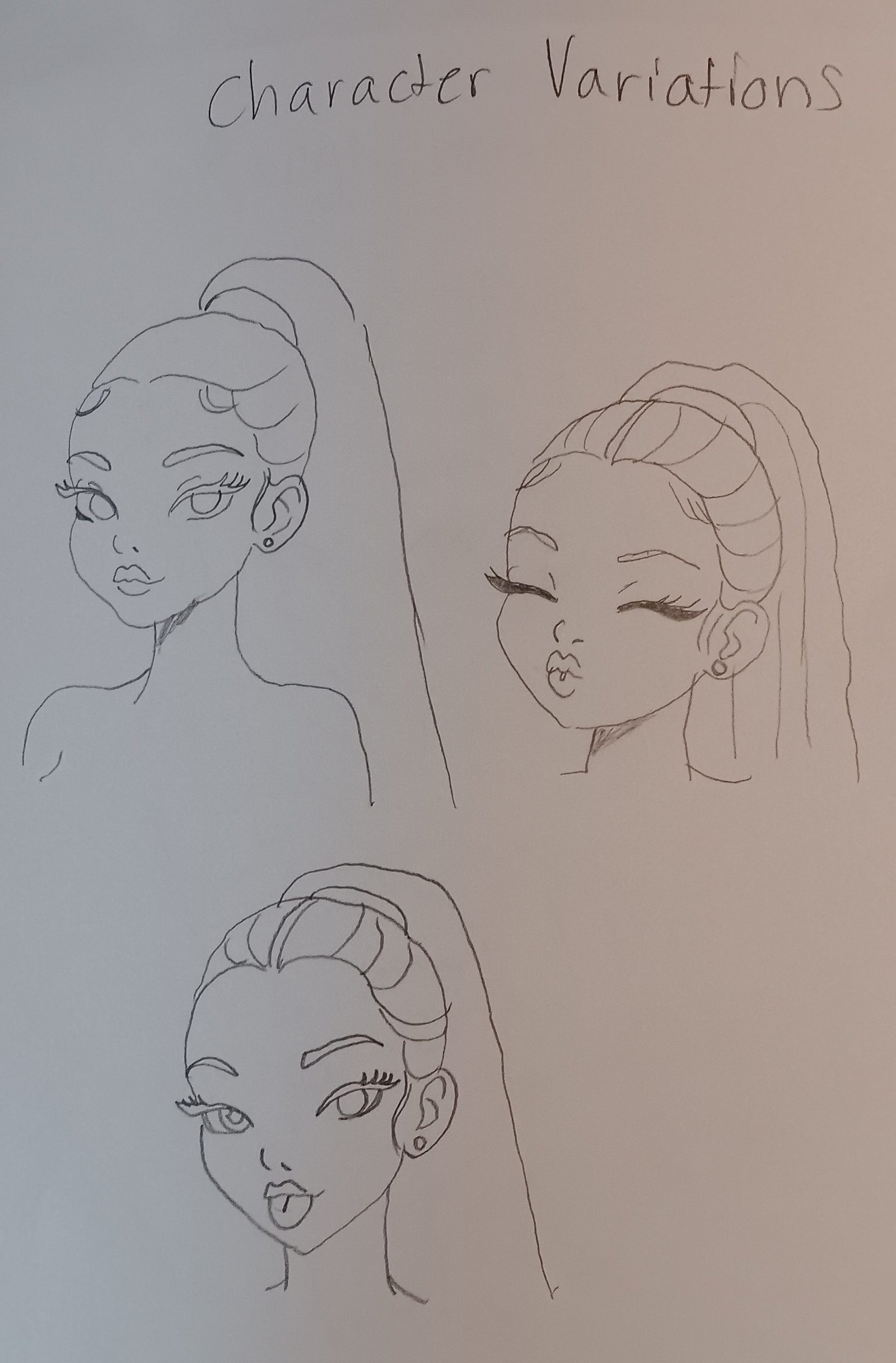
    Sketching is an important part of developing a character because it allows me to explore different ideas before deciding on a final design. I can experiment with shapes, hairstyles, clothing, facial expressions, and poses to see what works best. My goal is to use sketching to develop characters that have their own appearance and personality.

    Experimenting With Shapes and Poses

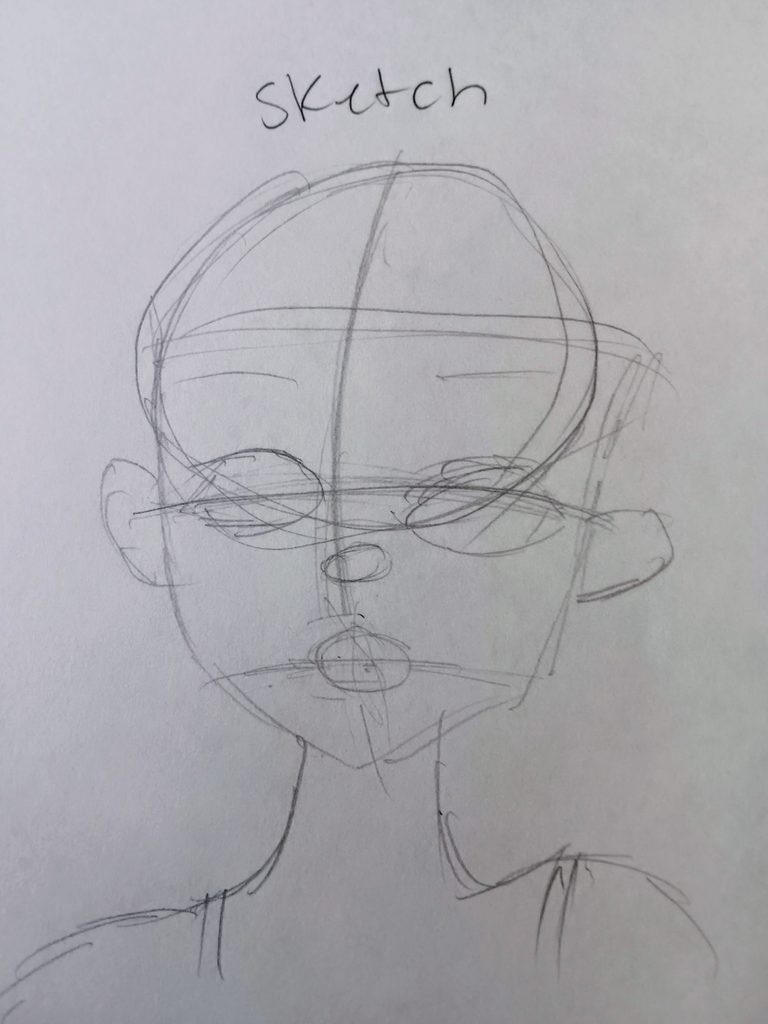
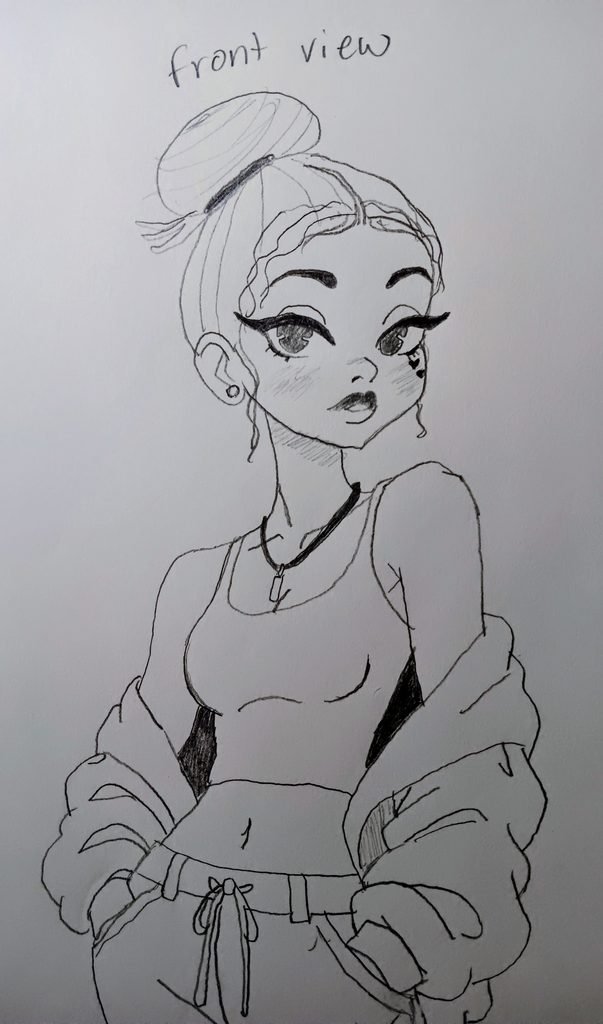
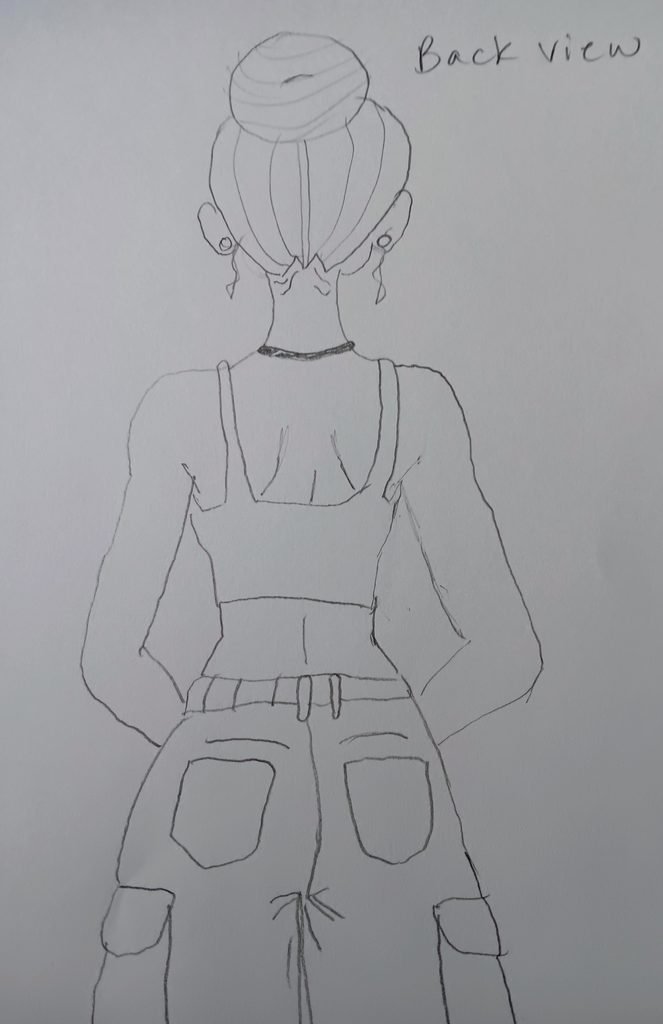
    Shapes and poses help me explore how a character might look and move. I use simple lines and shapes to work out the character’s overall appearance before adding smaller details. Trying different poses also helps me explore different ways to present the character.

    Developing the Character’s Appearance
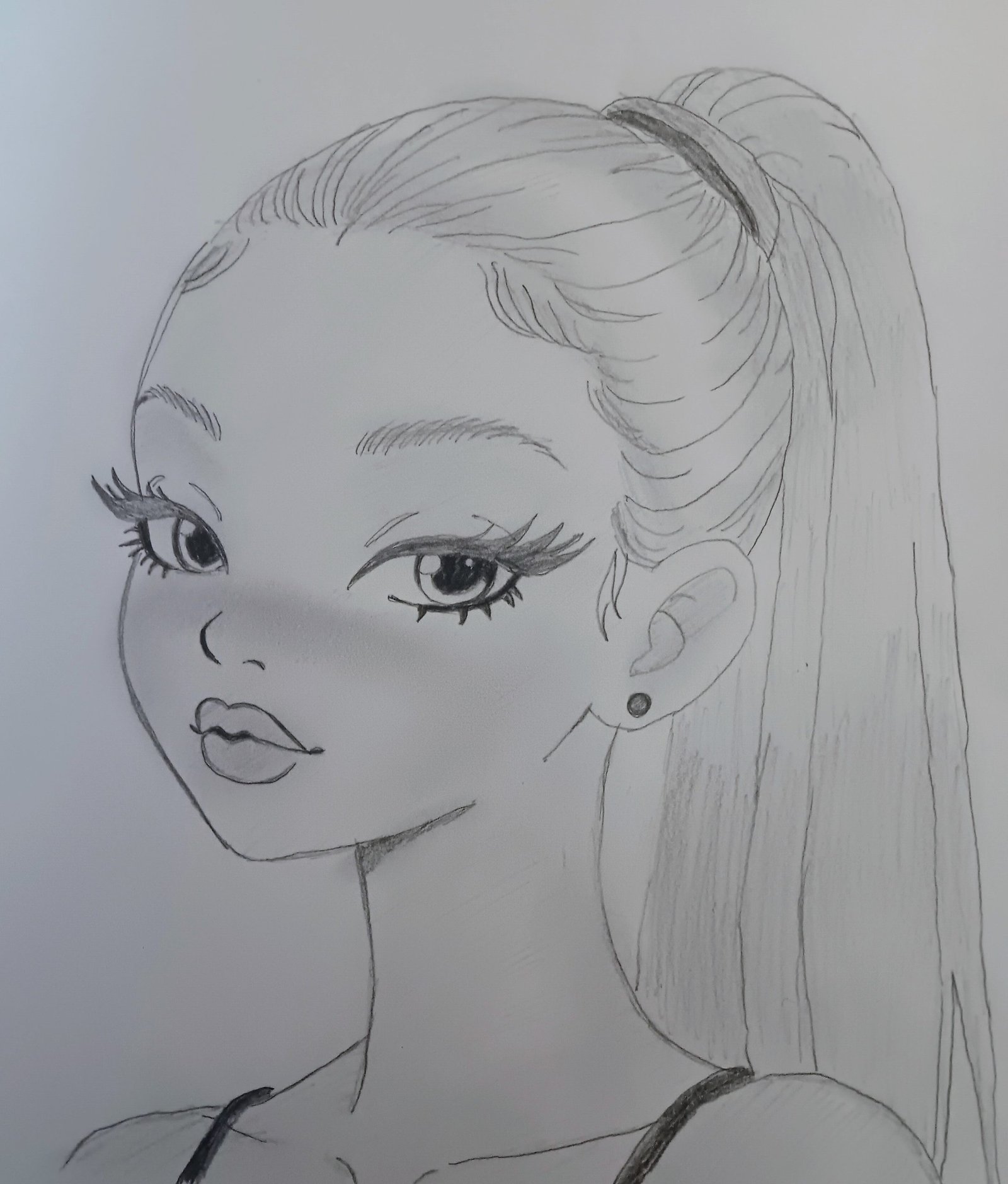
    After exploring my initial ideas, I begin refining the features that make the character recognizable. I consider the hairstyle, clothing, facial expression, and other visual details. I can make changes during this stage until the design begins to come together.

    Learning Through Sketching
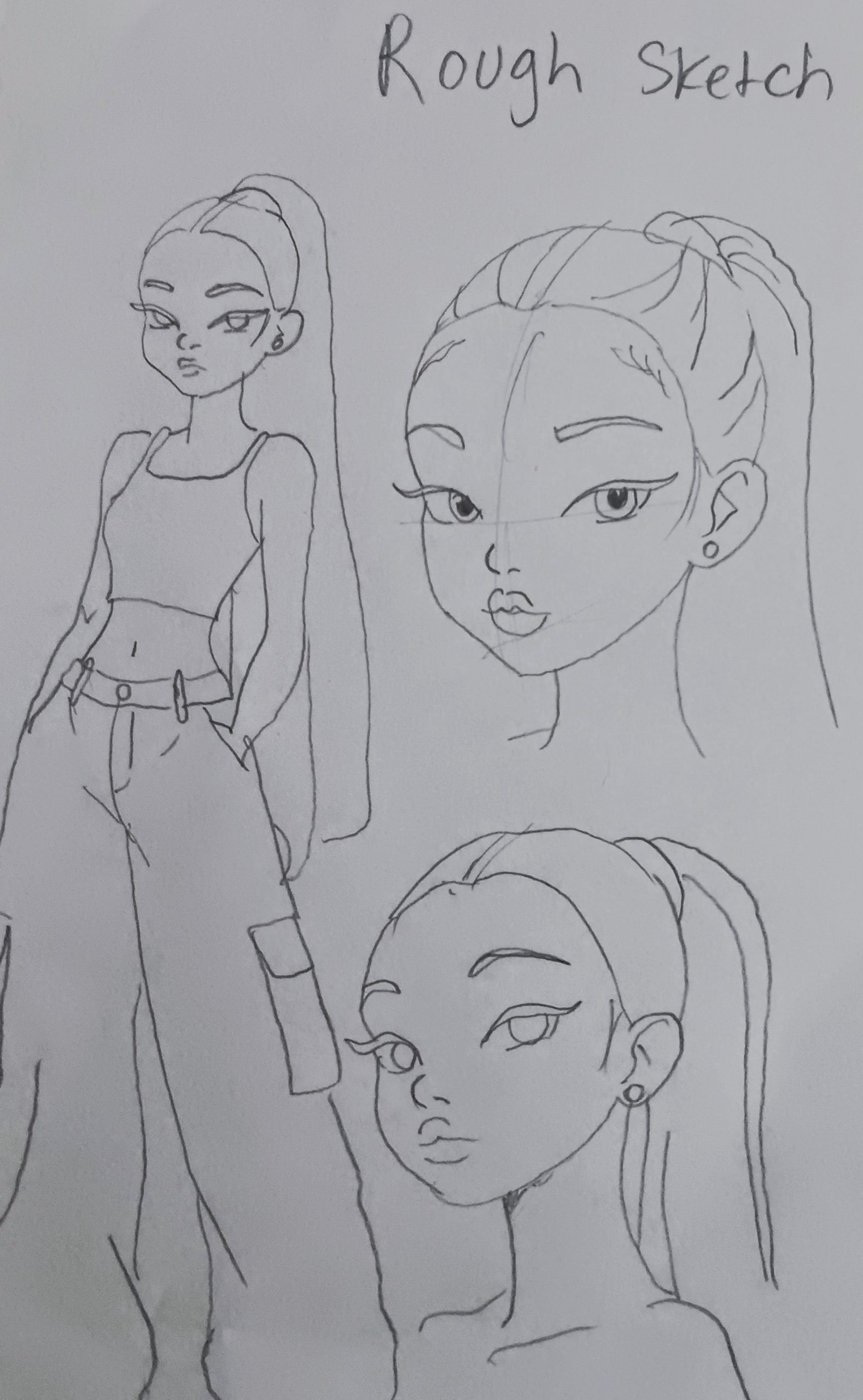
    Sketching gives me the freedom to try ideas without expecting every drawing to be perfect. Some ideas work better than others, and experimenting helps me discover what I like and what needs improvement. Each sketch gives me more practice and helps me develop my skills in character design.

    My Goal for Character Design

    As I continue practicing, I want to create more original characters with distinct appearances and personalities. I plan to keep experimenting with different styles, poses, and details while developing my own approach to character design.
  • My People Drawing Process

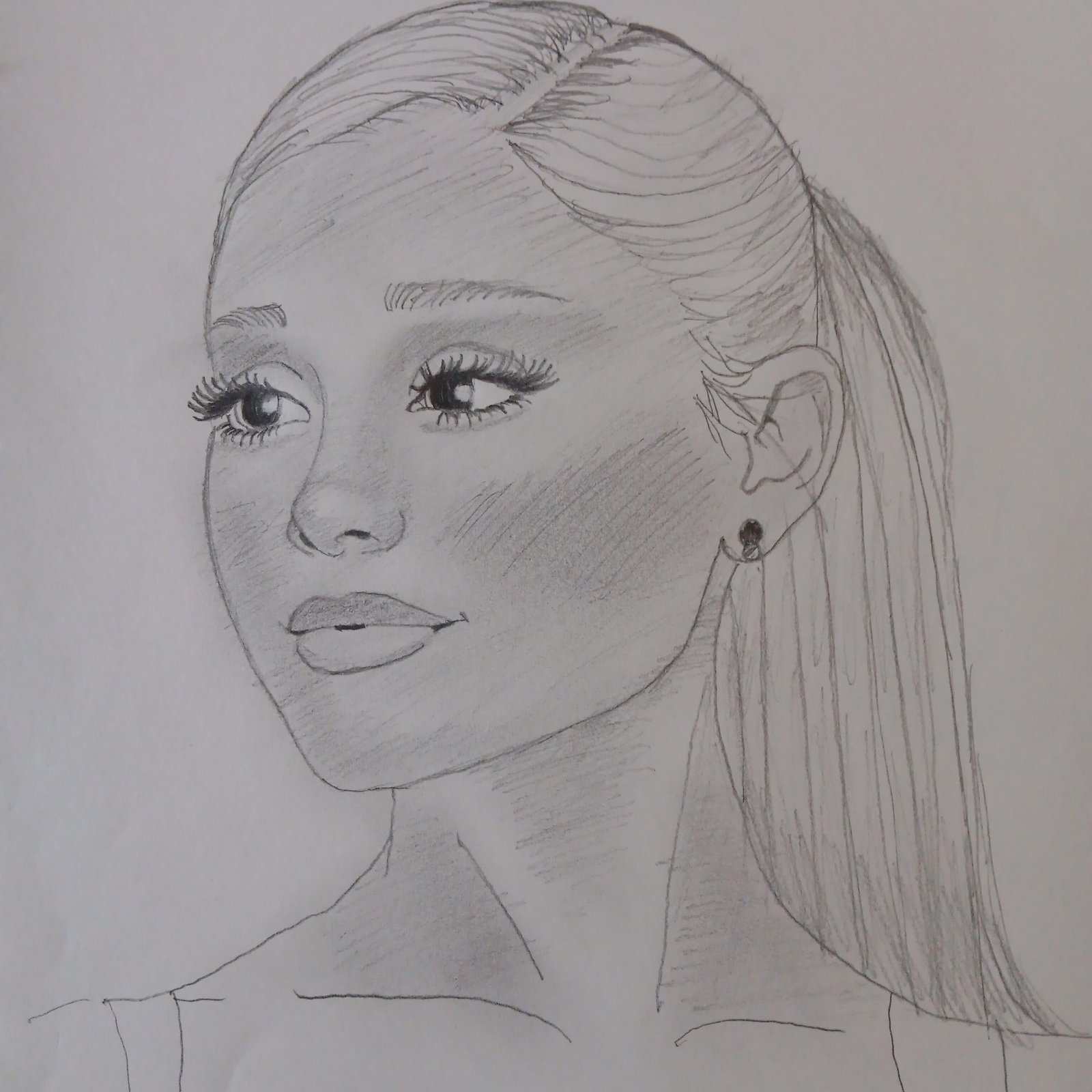
    Drawing people allows me to practice capturing facial features, proportions, expressions, and details. When I create a drawing of a person, I focus on observing the reference and gradually building the drawing instead of trying to complete everything at once. Each drawing gives me an opportunity to improve my skills and learn what I can do differently next time.

    Choosing a Reference

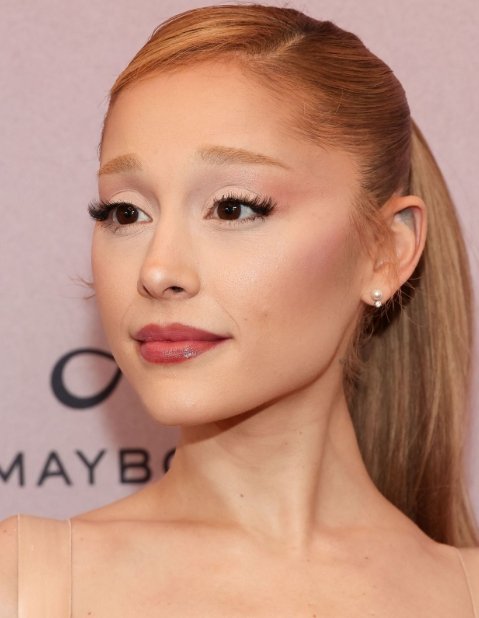
    I begin by choosing a picture of a person to use as a reference. I look closely at the person’s facial features, hairstyle, pose, and overall proportions. Studying the reference helps me understand how the different features fit together before I begin drawing.

    Sketching the Basic Shapes

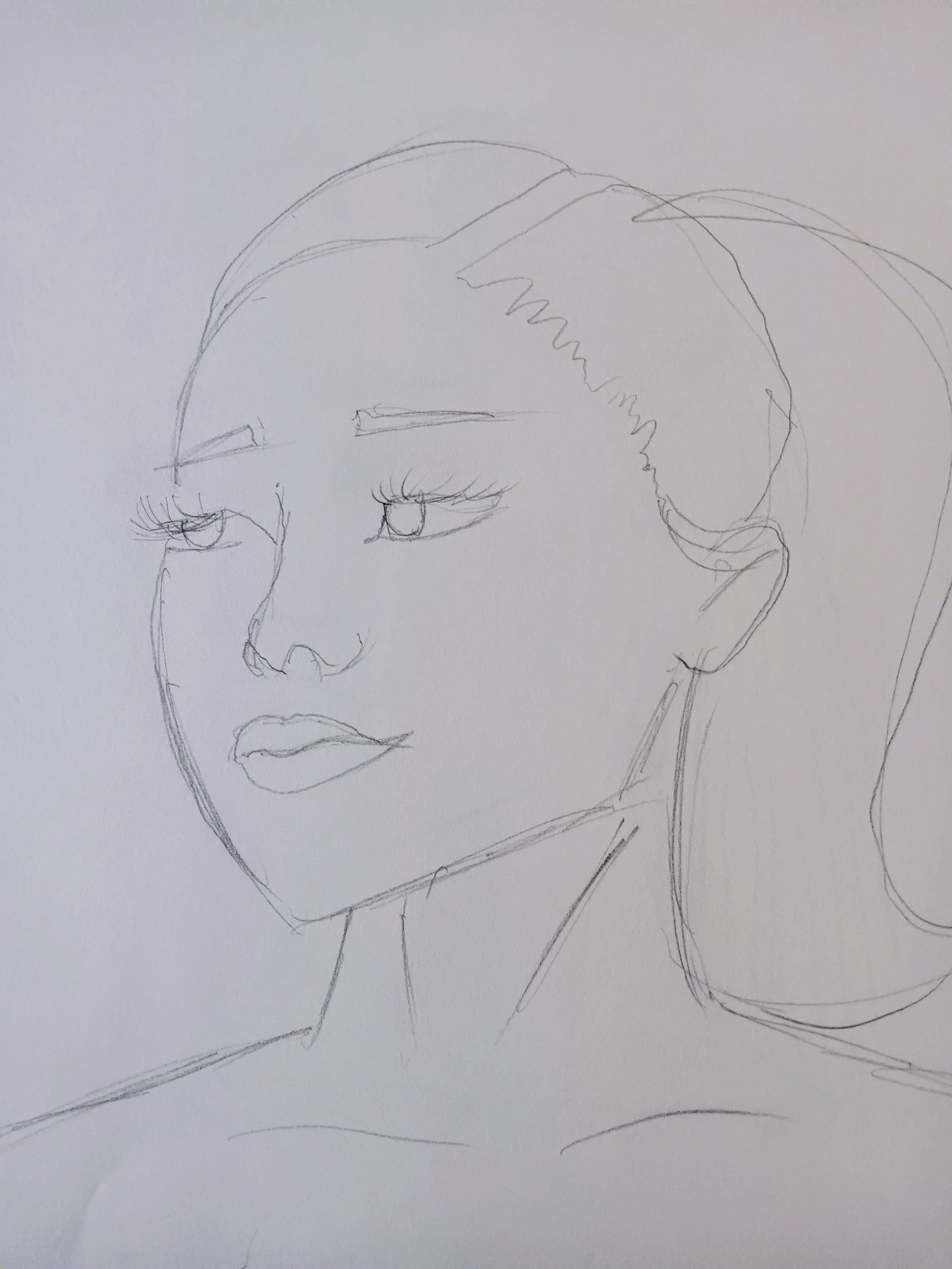
    Once I have my reference, I start with a light sketch to establish the basic shapes and proportions. I focus on the placement of the head and facial features before adding smaller details. Keeping the first sketch simple makes it easier to adjust anything that does not look right.

    Adding Facial Features and Details

    After establishing the basic sketch, I begin adding details such as the eyes, nose, mouth, eyebrows, and hair. I pay attention to how these features look in my reference and how they work together to capture the person’s appearance. I gradually refine the drawing as I work.

    Developing Shading and Texture

    When appropriate, I add shading to give the drawing more depth and definition. I pay attention to lighter and darker areas, especially around the face and hair. These details help me show form and make the drawing look more complete.

    What I Learn From the Process

    Drawing people helps me practice observation, proportions, facial details, and shading. Every drawing presents different challenges, and reviewing my finished work helps me recognize what I did well and what I can improve. As I continue practicing, my goal is to become more confident in my ability to draw people and develop my own artistic style.

  • Drawing Objects From Observation

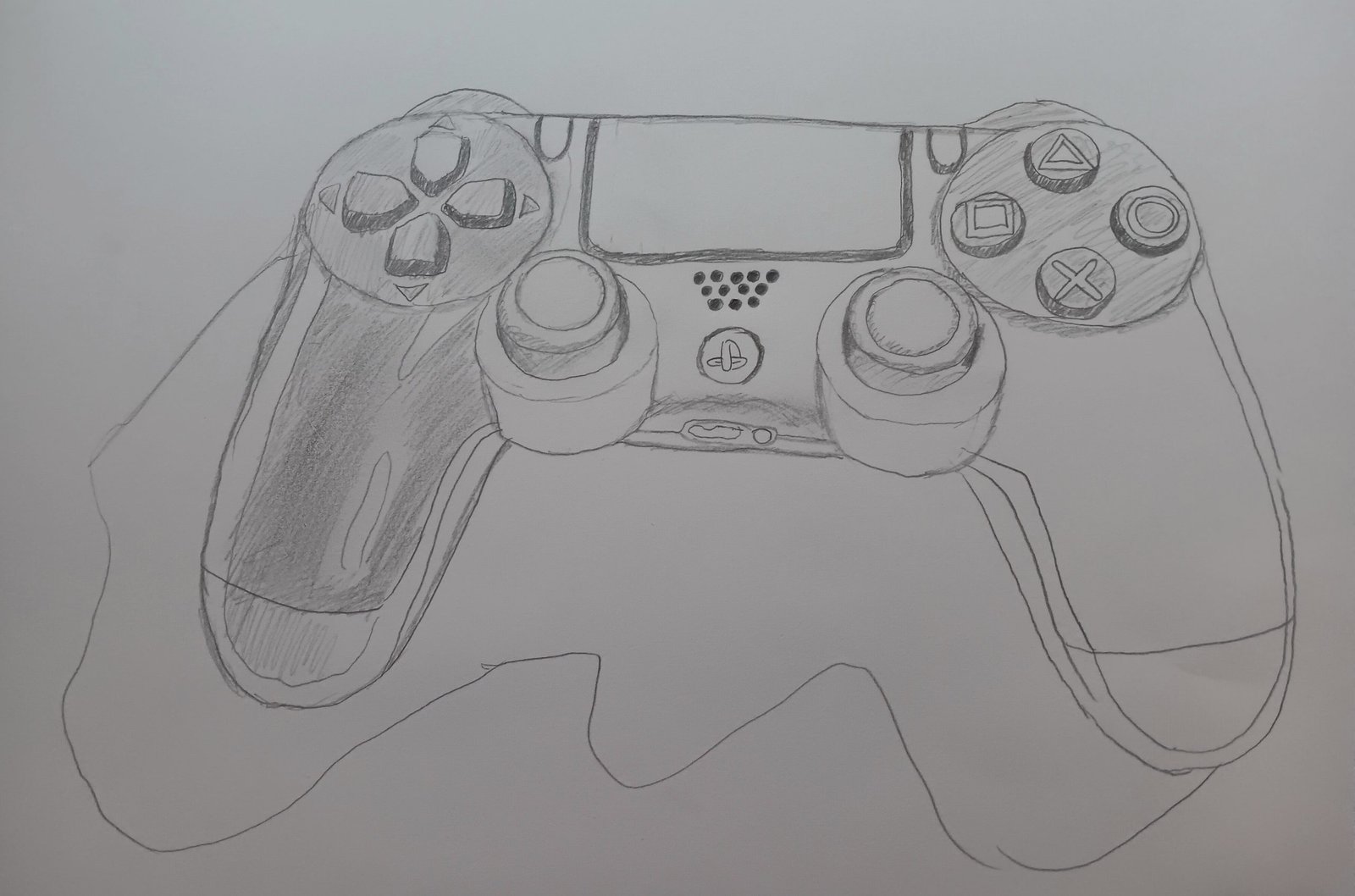
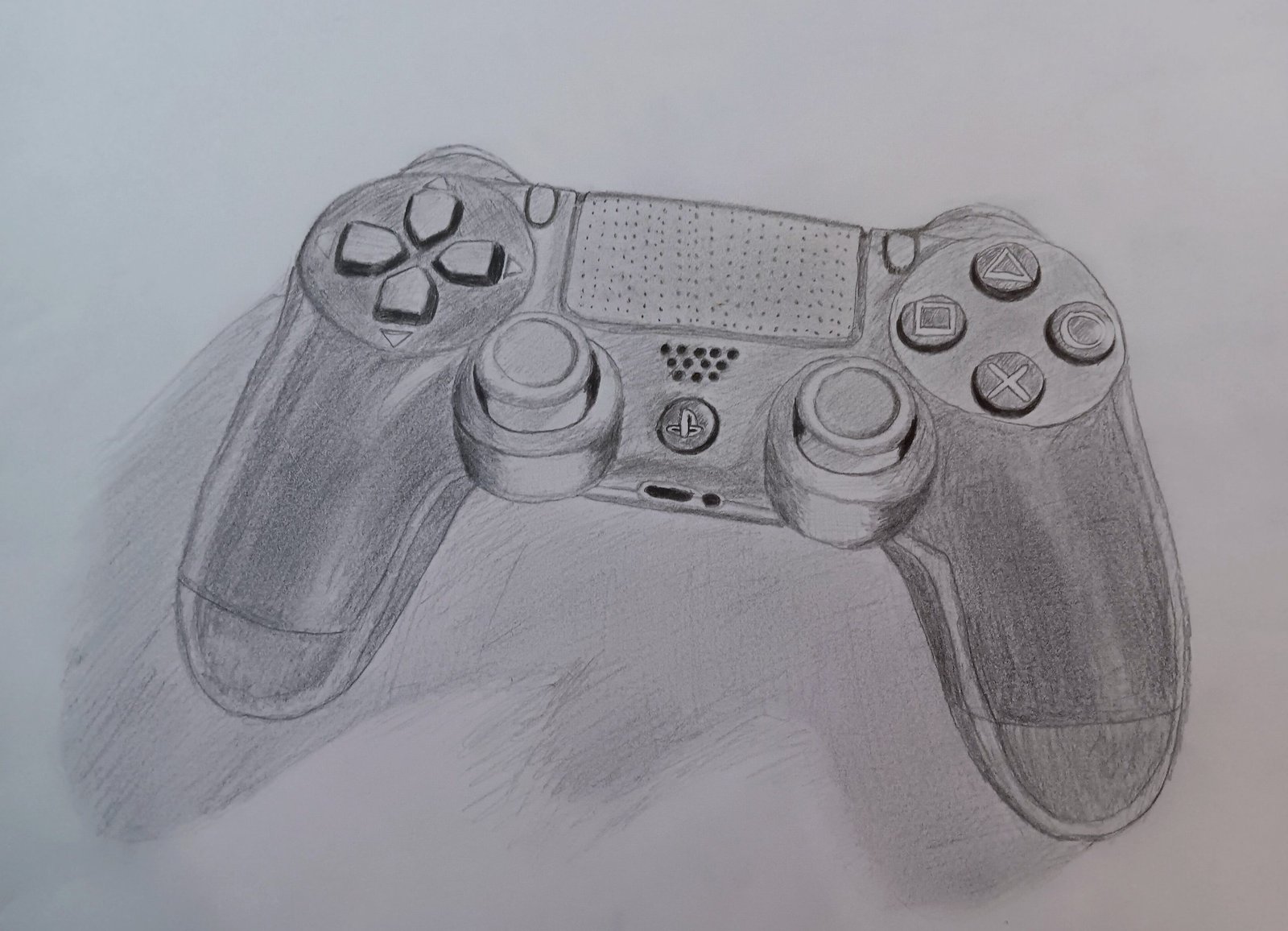
    Drawing from observation allows me to study an object closely and translate what I see onto paper. Instead of drawing from memory, I use a real object as my reference and pay attention to its shape, details, lighting, and shadows.

    Choosing the Object

    I begin by choosing an object to draw and placing it where I can clearly observe it. I look at the overall shape first before focusing on the smaller details.

    Observing Light and Shadows

    I place the object under a light source so I can see how the lighting affects its appearance. I pay attention to where the light hits the object, where darker areas appear, and how the shadow falls around it.

    Building the Drawing

    After observing the object, I begin sketching its basic shape and proportions. I gradually add the smaller details and use shading to show the different areas of light and darkness.

    Adding the Final Details

    Once the main shape and shading are established, I refine the drawing by adding details and adjusting areas that need more attention. I compare the drawing with the actual object throughout the process to make sure I am capturing what I observe.

    What This Practice Teaches Me

    Drawing objects from observation helps me become more aware of details that I might overlook otherwise. It also gives me practice with proportions, form, lighting, and shading while helping me understand how objects appear under different types of light.

  • My Character Drawing Process

    When I draw a character, I start by looking at the overall shape and pose before focusing on smaller details. I begin with a loose sketch and gradually build the drawing by adding the features, clothing, hair, and other details. Working this way allows me to make changes as the drawing develops instead of trying to complete everything at once.

    Starting the Sketch

    I begin with a simple sketch to establish the character’s pose and basic proportions. At this stage, I focus more on placement and structure than making the drawing look finished.

    Building the Drawing

    Once I have the basic structure, I begin developing the character’s features and other important details. I pay attention to the shapes and proportions as I work so that the different parts of the drawing fit together.

    Adding Details

    After the main parts are established, I work on smaller details such as the hair, clothing, facial features, and other elements that help define the character. I also add shading where it helps show form and depth.

    What I Learn From the Process

    Each character drawing gives me something different to work on. Comparing the beginning sketch with the finished drawing helps me see which parts of my process are working well and which areas I can improve in my next drawing.